

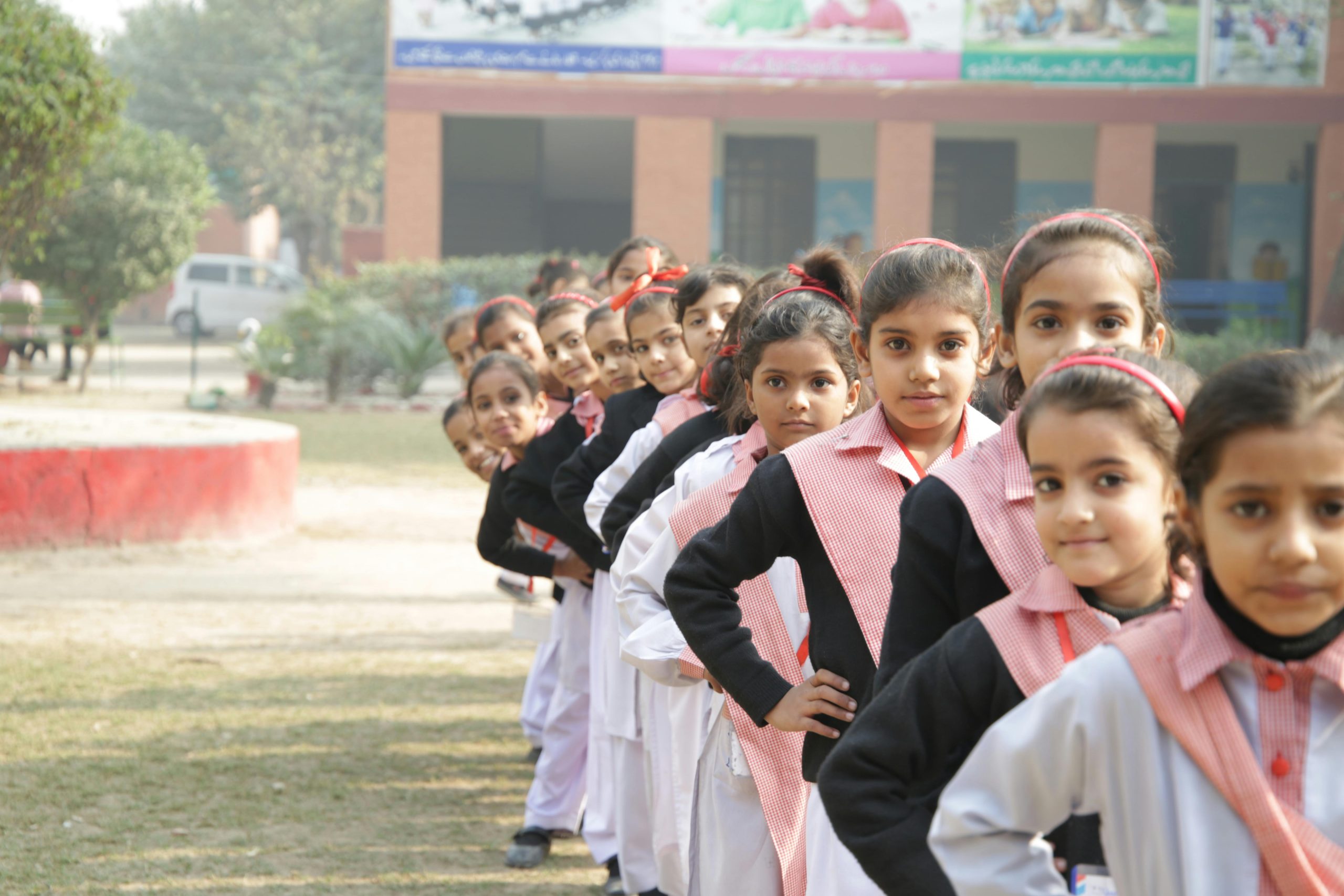
One of the most effective ways of bringing long-term change is educating a child. This isn’t the case for many kids around the world, though, as their families can’t afford the books, uniforms, school fees, or even transportation. This is where the role of NGO in promoting education becomes a vital lifeline. Still, the mechanism of this functioning and the ways of sponsoring a child’s full education may remain vague to some. Both of these will be explained in this blog in simple terms so that you get to know how it all happens and how you can make a real difference.
What Is An NGO?
It has significant implications for society. It is a non-profit organization that acts to promote a social purpose, commonly in fields such as literacy and community development. These organizations do not rely on any government funding. Typically, they receive their resources via donations, sponsorships, grants, and fundraising events to fuel their mission.
Primary Reasons for Non-profit Organizations
Most of them are aimed at assisting those in need. When acting as an NGO providing free education, they commonly:
- Construct schools in rural or low-income places like Punjab or Sindh.
- Support school needs such as books, bags, and uniforms.
- Provide scholarships or complete sponsorships for orphans.
- Develop after-school academic booster programs.
- Help families so kids will be able to remain in school instead of working
In Which Ways NGOs Work To Support Education
If you are asking yourself how they operate within the field of education, here is the reason they usually do it step by step:
1: Identify Needs
They begin by locating the communities or regions where children do not have access to a classroom. In Pakistan, this often means heading into remote rural districts to collaborate with local leaders and identify children in need.
2: Evaluating The Condition Of The Child
After identifying a child, they collect data regarding family income, school attendance, and health. This assists them in making decisions on the specific type of support required to keep that child enrolled.
3: Provide Appropriate Assistance
Depending on what the child needs, a dedicated NGO providing free education might cover:
- Tuition fees and registration
- School supplies and stationery
- Mid-day meals and transportation
- Health checkups and counseling. This support often continues until the child has finished their basic education.
4: Track Progress
They do not just give support and stop. They make sure the child is attending, monitor their grades, and ensure they are thriving in their learning environment.
Why Sponsor A Child’s Full Education
There are numerous reasons to sponsor a child. You do not simply save a child; you save their family and community in the long term.
1: Poverty Cycle Breaking
The solution is education. As soon as one child is educated, he or she will be more likely to earn a stable income and move his or her family out of poverty.
2: Producing Competent Adults
Children who attend school end up with higher self-esteem and better life skills. They are taught to speak, write, and think critically, preparing them to confront the world with confidence.
3: Stop Child Labor And Early Marriages
Through the role of non-profit organizations in promoting education, the risks of subjecting children to labor or early marriages are minimized. When they remain in school, they are kept out of harm’s way and focused on their future.
How To Sponsor The Full Education Of A Child
If you are considering offering assistance, you may wonder how the process works. It is not a complicated process, and most organizations hold your hand throughout the journey.
1: Locate A Credible Organization
Do some research on those that focus on rural education first. Seek those who have:
- Clear goals and transparent spending
- Positive community reviews
- Consistent reports on the children helped
2: Select Sponsorship Type
Most non-government organizations have various alternatives, such as the following:
- Monthly sponsorships
- Annual payments or Zakat contributions
- One-time full education funding
3: Get Matched With A Child
You will, in most cases, be paired with a student in need. You will get their picture, their story, and regular progress reports so you can see the impact of your generosity.
4: Stay Involved
Your donation takes care of the fees, but your encouragement counts as well. Knowing that someone believes in them can be the greatest motivation for a student in a remote village.
Life After Graduation
Once a child has left school, the organization can assist them to:
- Apply to a college or university.
- Receive specialized job training.
- Get job placements or internships. This follow-up ensures the child does not just finish school but actually develops a better life.
Is It Possible To Sponsor More Than One Child?
The answer is yes! Many sponsors begin by helping one child and then increase that number as they observe the transformation. Every additional child sponsored is another family set on a path toward prosperity.
How Can You Help
Even a little bit each month can transform a life. The money often spent on small daily luxuries could be used to provide a child with the means to create a better future. By joining our Circle of Compassion, you are making an investment that lasts a lifetime.